


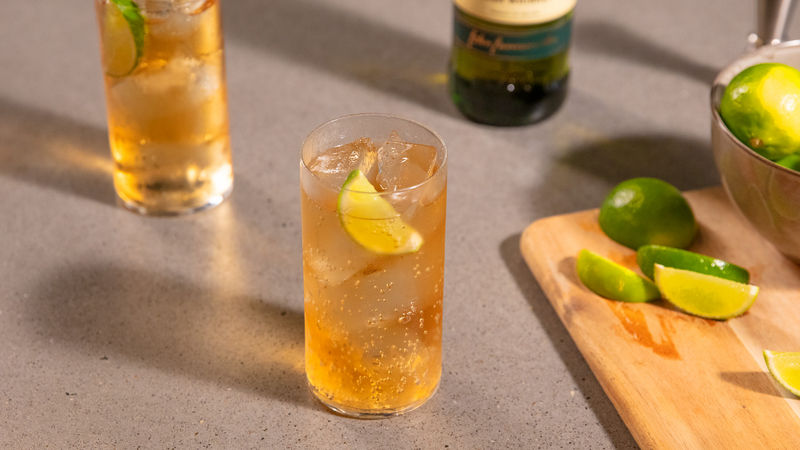
What Is the Difference Between Ginger Ale and Ginger Beer?
Ginger beer is generally bolder and spicier, while ginger ale is lighter and more delicate. Traditionally, ginger beer was associated with fermentation, while ginger ale came to be known as a carbonated soft drink. These days, production varies between brands, so flavour intensity is often the quickest way to tell them apart. Same ginger family, different volume settings.
Both work brilliantly as mixers, but they do different jobs once they hit the glass. Ginger beer makes its presence known…while ginger ale tends to leave more room for everything around it. And when whiskey is involved, that distinction becomes rather useful.
Ginger Ale vs Ginger Beer: The Key Differences
The difference between ginger beer and ginger ale is not quite as simple as “one is fermented and one isn’t”. That describes an important part of their history, but modern production varies. For choosing between them today, flavour and how they behave in a drink are usually more helpful clues.
| Ginger Beer | Ginger Ale | |
|---|---|---|
| Flavour | Typically bolder, warmer and more ginger-forward | Usually lighter and more delicate |
| Traditional production | Historically brewed and fermented | Became associated with a non-alcoholic carbonated style |
| Modern production | Varies by brand; not all versions are fermented | Usually produced as a carbonated soft drink |
| Sweetness | Varies considerably by brand | Also varies considerably by brand |
| Alcohol | Many mixer versions are non-alcoholic; alcoholic versions also exist | Usually a non-alcoholic soft drink |
| In a mixed drink | Gives ginger a more prominent role | Supports other flavours without dominating them |
That last row is the one worth remembering when there’s a bottle of whiskey waiting nearby.
What Is Ginger Beer?
Ginger beer is a carbonated ginger drink known for a stronger, warmer ginger character. Traditional versions were made by fermenting ginger, sugar and water, which could naturally produce both carbonation and a small amount of alcohol. Modern ginger beer is a broader category: many bottles sold as mixers are soft drinks, and they are not necessarily made through traditional fermentation.
What has survived rather well is the flavour. Ginger beer generally puts ginger front and centre, with more heat and depth than ginger ale. That stronger character makes it useful when you want the mixer to have a proper say in the finished drink rather than quietly providing bubbles. Fever-Tree, for example, describes its UK ginger beer as having a deep, long-lasting ginger character and warming finish.
Why Is It Called Ginger Beer?
The name comes from the way ginger beer was traditionally made. Early versions were fermented much like other brewed drinks, so “beer” was a perfectly sensible description at the time. Modern production has moved on, but the name has proved considerably harder to shift.
What Is Ginger Ale?
Ginger ale is a ginger-flavoured carbonated soft drink that is generally lighter and more restrained than ginger beer. Modern versions typically combine carbonation with ginger flavour and sweetness, producing a cleaner, gentler serve rather than the pronounced ginger heat associated with ginger beer.
That lighter character is precisely what makes ginger ale useful as a mixer. It brings freshness, fizz and enough ginger to keep things interesting without automatically becoming the loudest ingredient in the glass. With whiskey, that means the spirit still gets plenty of room to do its job.

What Goes With Ginger Ale or Ginger Beer?
Both mixers work well beyond a simple spirit-and-ginger serve, but their different flavour intensities mean they tend to suit different ingredients. Ginger ale is easier to layer with lighter flavours; ginger beer can stand up to ingredients with a bit more punch.
What Goes With Ginger Ale?
Ginger ale works particularly well with ingredients that benefit from its lighter ginger flavour rather than having to compete with it:
- Lime or lemon: acidity sharpens the sweetness and keeps a long drink refreshing. Jameson’s classic Ginger & Lime uses ginger ale with fresh lime for exactly that reason.
- Peach and other softer fruits: peach brings sweetness and fruit without losing the ginger altogether, as in the Jameson Ginger and Peach.
- Fresh herbs: mint can add freshness without making a simple highball unnecessarily complicated.
- Bitters: a dash can bring spice and dryness when the drink needs a little more structure. Jameson’s own Ginger & Lime tips suggest both mint and bitters as variations.
In short, ginger ale is good company for flavours you still want to recognise when the drink is finished.
What Goes With Ginger Beer?
Ginger beer has enough spice and intensity to handle stronger ingredients and sharper contrasts:
- Lemon or lime: citrus cuts through the ginger heat and keeps the drink bright.
- Sparkling wine: the extra lift works particularly well when ginger beer is being used in a more celebratory serve.
- Aromatic herbs: rosemary, for example, can stand up to ginger beer’s stronger profile.
- A measured touch of sweetness: simple syrup can round out sharper citrus and ginger without taking away the bite.
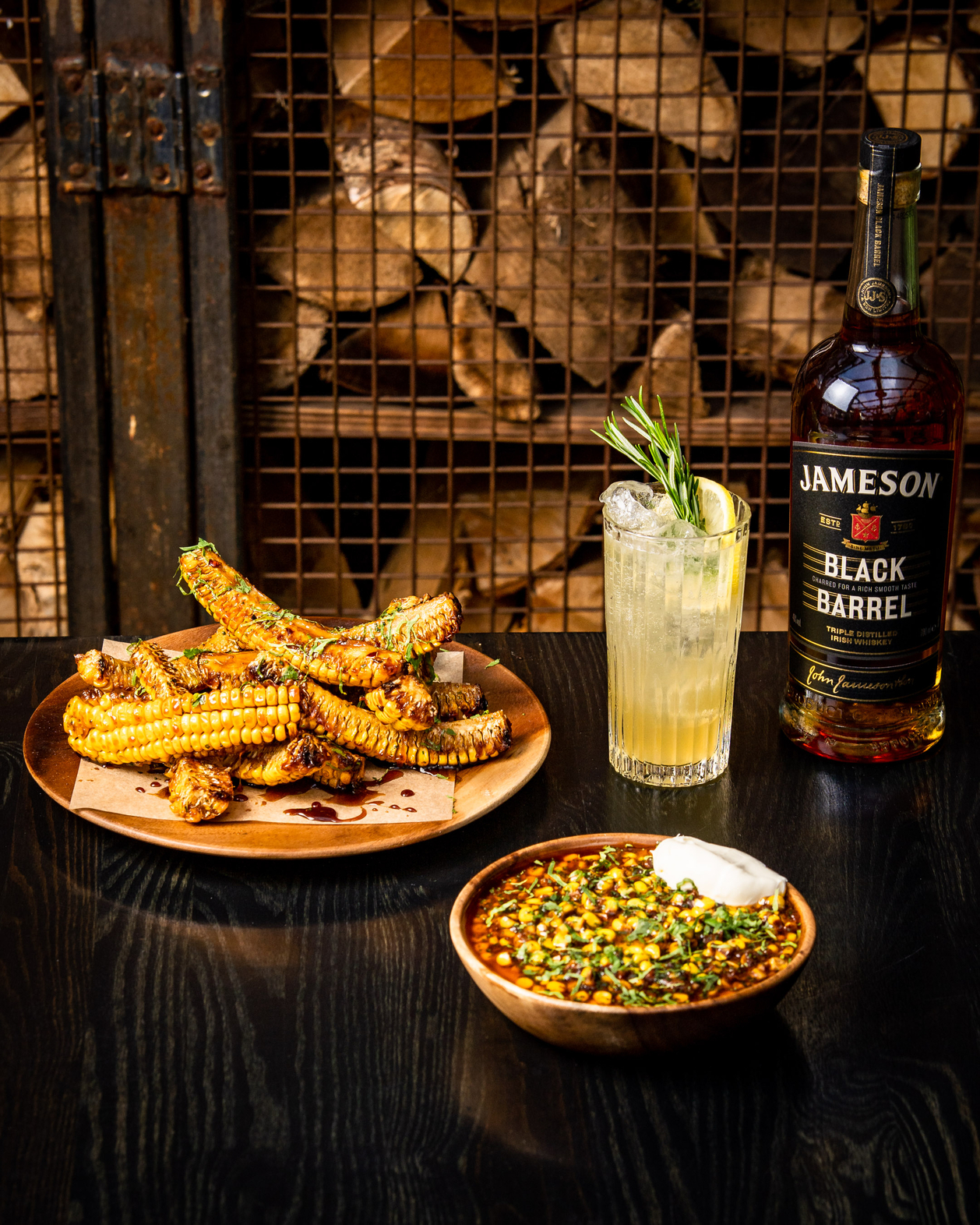
The Jameson Ginger Sparkler brings several of those together, combining ginger beer with lemon, sparkling wine and a rosemary garnish.
Can You Use Ginger Ale Instead of Ginger Beer?
Yes, you can substitute ginger ale for ginger beer — just don’t expect the switch to go unnoticed.
- Swap ginger beer for ginger ale: the drink will generally become lighter, gentler and less intensely gingery.
- Swap ginger ale for ginger beer: expect more spice, warmth and ginger flavour, which may make the mixer more prominent.
If you are adapting an existing cocktail, start with the original quantity and taste before adjusting anything else. You may find that stronger ginger beer needs a touch more citrus, while a softer ginger ale can leave room for other ingredients to come forward. A substitution, yes. An invisible one, no.
Ginger Ale or Ginger Beer: Which Is Better With Whiskey?
Neither is universally better with whiskey. The choice depends on whether you want the ginger to support the whiskey or stand alongside it.
- Choose ginger ale for a lighter, more refreshing serve where the whiskey remains prominent. Jameson Ginger and Peach uses ginger ale alongside Jameson and peach nectar for a bright, simple three-ingredient drink.
- Choose ginger beer when you want more spice and a stronger mixer presence. The Jameson Ginger Sparkler pairs ginger beer with Jameson Black Barrel, lemon and sparkling wine for a much more assertive combination.
That is really the useful answer to the ginger ale or ginger beer question: pick the mixer according to what you want the finished whiskey drink to taste like. No need to declare lifelong allegiance.
Tips for Mixing Whiskey With Ginger
Whiskey and ginger are reassuringly low-maintenance, but a few small choices can improve the result:
- Start cold. Use a chilled mixer and plenty of fresh ice to keep the drink crisp and the carbonation lively.
- Choose your ginger intensity first. Reach for ginger ale when you want a lighter touch, or ginger beer when you want the ginger to take up more space.
- Bring in some citrus. Lime and lemon both work well with ginger and can sharpen sweeter drinks. The classic Jameson Ginger and Lime keeps things pleasingly straightforward with whiskey, ginger ale and a lime wedge.
- Add the fizzy part last. Pour in ginger ale or ginger beer after the other ingredients, then stir briefly rather than enthusiastically introducing all the bubbles to the room.
- Taste before adding more sweetness. Different mixers carry different levels of sugar, so syrup should solve a problem rather than arrive automatically.
- Try them side by side. Make the same simple whiskey serve once with ginger ale and once with ginger beer. Research has had worse assignments.
Final Sip
The ginger ale vs ginger beer debate does not need a winner. Ginger ale generally gives you a lighter, gentler mixer, while ginger beer brings more spice and ginger intensity. Once you know that, choosing between them becomes less about rules and more about the drink in front of you. Keep ginger ale handy when you want the whiskey leading the round, ginger beer when you fancy a little more bite, and Jameson within reaching distance for either.
