


Mocktail vs Cocktail: What’s the Difference?
A cocktail contains alcohol; a mocktail is a mixed drink made to be enjoyed without it. That’s the main difference between a mocktail and cocktail, but it isn’t the only thing that changes in the glass. Alcohol affects flavour, texture and balance, so a good mocktail takes more thought than simply leaving out the whiskey.
Whether you’re ordering at the bar or mixing drinks at home, here’s what makes each style work.
What Is a Mocktail?
A mocktail is an alcohol-free mixed drink made with many of the ingredients and techniques used for cocktails. The name is shorthand for a “mock cocktail”, although a good mocktail doesn’t have to copy an existing recipe.
Juices, fresh citrus, ginger, tonic, herbs and syrups can all play a part. Jameson’s grapefruit mocktail combines grapefruit and lime for sharpness, tonic for bitterness, and a pinch of sea salt to round out the flavour. There’s no whiskey in the recipe, but plenty of attention to what’s in the glass.

Do Mocktails Have Alcohol?
Generally, no. A mocktail is intended to be alcohol-free. But it’s worth checking the smaller ingredients: traditional cocktail bitters are made using alcohol and sometimes appear in drinks described as mocktails. Some alcohol-free substitutes may also contain small amounts of alcohol.
If you need a strictly 0.0% ABV drink, check the label of every ingredient or ask what’s going into the glass.
A mocktail also isn’t the same as a low-alcohol cocktail. A lower-strength serve may use less whiskey or another spirit, but still contain alcohol.
What Is a Cocktail?
A cocktail is a mixed drink containing alcohol, usually with a base spirit and other ingredients that complement it. In a whiskey cocktail, Jameson adds its own flavour and warmth, while citrus, ginger or syrup can bring brightness, spice or sweetness.
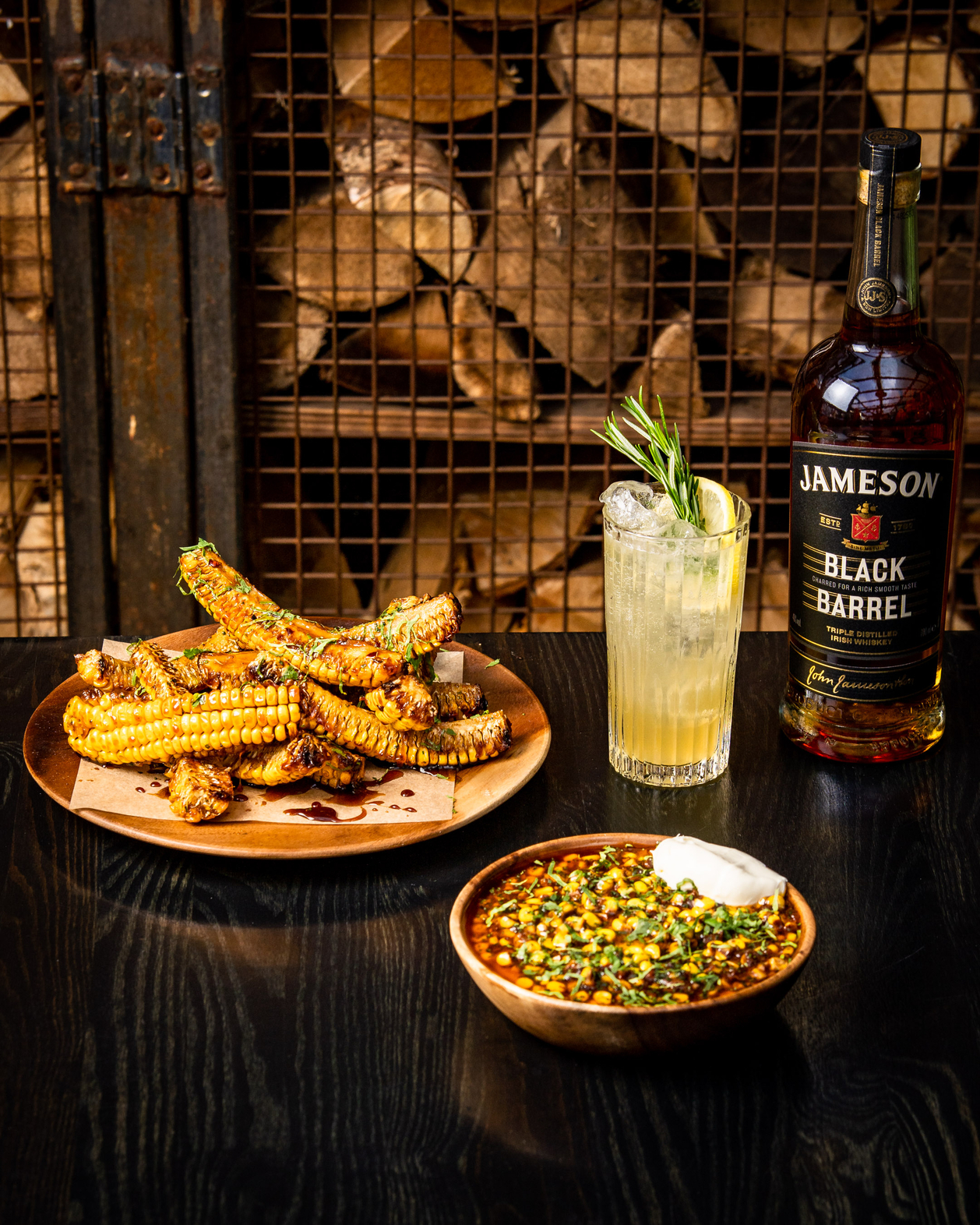
Take a whiskey and ginger ale cocktail such as Jameson, Ginger & Lime: Irish whiskey, ginger ale, ice and a wedge of lime. It’s built straight in the glass, and there’s a reason for every ingredient. Other cocktails may call for shaking, straining or more elaborate preparation, but alcohol remains part of the recipe.

Mocktail vs Cocktail: Key Differences
The main distinction is alcohol content. From there, the base ingredients affect how each drink is prepared and how it tastes.
| Cocktail | Mocktail | |
|---|---|---|
| Alcohol | Contains alcohol | Intended to be alcohol-free |
| Base | Often a spirit such as whiskey | Juice, tea, tonic or alcohol-free mixers |
| Preparation | Shaken, stirred or built in the glass | Uses many of the same methods |
| Flavour | Can draw warmth, aroma and body from alcohol | Builds depth through other ingredients |
| Presentation | Ice, glassware and garnishes | Just as much room for detail |
1. Ingredients
Cocktails often start with a spirit that sets the flavour direction. A mocktail needs another foundation, whether that’s grapefruit juice, chilled tea, tonic or a mix of fresh fruit and herbs. Both might use lemon, ginger, syrup and ice; the difference is what provides the drink’s base.
Mocktails don’t always have to imitate familiar cocktails, either. Sometimes the best approach is to build a new combination around ingredients that work without alcohol.
2. How They’re Made
Cocktails and mocktails share plenty of techniques: shaking with ice, stirring, gently muddling herbs and straining for a smooth finish. Measure the ingredients in either case, and add fizzy mixers last to keep their bubbles.
Bartender’s tip: Without a spirit, sweet juices and syrups can leave a mocktail tasting a little flat. Try a splash of strong, chilled black tea in a fruity mix. Its tannins bring a lightly dry finish and some structure that a spirit would otherwise help provide. Then add lemon or lime and taste before reaching for more syrup. Keep your ingredients cold, too: a juice-based drink can become watery if you work it over ice for too long.
3. Taste
A cocktail might have a warming, aromatic finish from whiskey, or be crisp and citrus-led depending on its mixers. Mocktails can be just as varied, from sharp and sparkling to herbal or gently spicy. What matters is the balance between sweetness, acidity, bitterness and aroma.
Neither drink has to be sweet. A mocktail made with bitter tonic and fresh grapefruit can taste considerably drier than a syrup-heavy cocktail.
Mocktails vs. Non-Alcoholic Drinks
Not every non-alcoholic drink is a mocktail. A glass of lemonade is a soft drink; lemonade mixed with fresh berries, citrus and herbs, balanced and served over ice, could be a mocktail. It’s the considered mix of ingredients that makes the difference, not simply the glass it arrives in.
Presentation still plays its part. A citrus twist or fresh mint adds aroma as well as colour, and the same cocktail garnish ideas work whether the drink contains whiskey or not.
Mocktail or Cocktail: Which Should You Choose?
Choose a mocktail when you want the flavour and occasion of a mixed drink without alcohol, whether you’re driving, taking a break or simply don’t fancy it. Choose a cocktail when you want a spirit to be part of the drink’s flavour. It’s a preference, not a competition.
If you’re hosting, offer both and give them the same attention. Jameson’s whiskey cocktail recipes cover everything from easy highballs to more involved serves; a couple of well-balanced alcohol-free options deserve a place alongside them. Everyone should have something good in their glass.
