



Unbottling the 3 Ingredients
What is Whiskey Made From?
Whiskey doesn’t come from much. A handful of ingredients, a bit of patience, and a process that’s been refined over generations.
By nature, whiskey is made from just three things: grain, water and yeast. From there, it’s distilled and aged in wooden casks, where time does the rest.
It’s a short list, but there’s more going on beneath the surface. If you want the full picture, you can always explore how whiskey is made from start to finish. But today, let’s break down the three simple ingredients that let whiskey be born.
The Three Basic Ingredients of Whiskey
Every whiskey, no matter the style, starts with the same three building blocks: grain, water and yeast.
That’s the entire ingredient list. What separates one whiskey from another is how those ingredients are selected, handled and matured over time.
Below, we’ll break each one down — starting with the grain that sets the tone, the water that keeps everything moving, and the time that brings it all together.
GRAIN
Grain is the humble ingredient where whiskey begins. It provides the sugars that are fermented into alcohol and lays down the foundation for flavour.
In Irish whiskey, the focus is typically on barley — often a mix of malted and unmalted barley. That combination helps create a balanced profile: a bit of structure from the malted grain, a slightly fuller texture from the unmalted, and a result that feels rounded rather than sharp.
Other whiskey types use different grains to shift that balance. Bourbon, for example, leans heavily on corn for sweetness, while rye whiskey brings more spice and dryness. Wheat often appears to soften things further.
So while the ingredient list stays the same, the grain bill is where styles start to branch out. If you want to see how that plays out across the board, it’s worth exploring the different types of whiskey and how each one approaches it.

WATER
Water is involved at every stage of whiskey-making, from mashing the grain to cooling during distillation and adjusting the spirit before it’s bottled.
There’s also a bit of Irish whiskey history tied up in it. The word whiskey comes from the Irish “uisce beatha”, meaning “water of life.” Not a bad way to describe it, to be fair — it’s the perfect reminder that water has always been at the centre of the craft.
It might not get top billing, but it earns its place. Clean, consistent water keeps the process steady and lets the character of the whiskey come through without interference.

TIME
If grain builds the base and water keeps things moving, time is where whiskey practices a bit of patience and gets its act together.
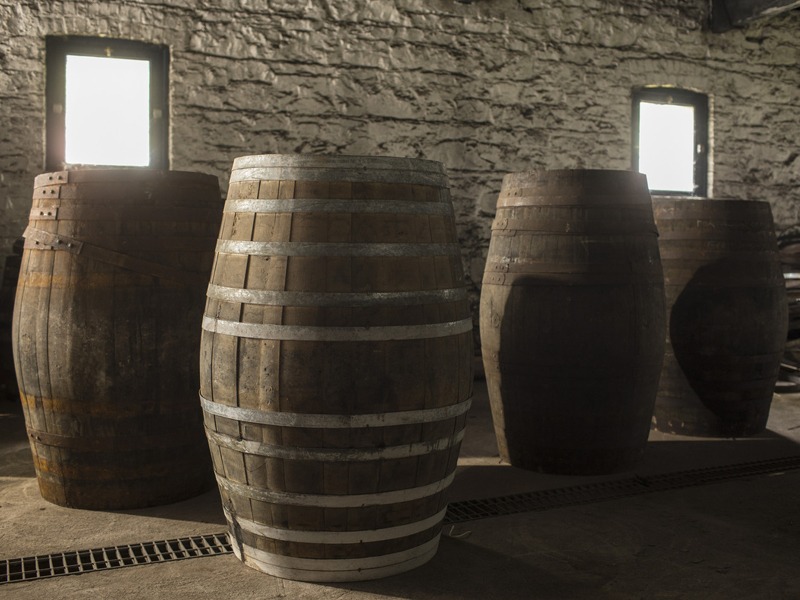
After distillation, the spirit rests in wooden casks, slowly taking on colour and flavour. Oak adds vanilla, spice and gentle sweetness, but more importantly, time lets everything settle into itself.
Irish whiskey has rules around that patience. It must be matured in wood on the island of Ireland for a minimum of three years. Jameson Original stays in oak casks for at least four. Which is probably for the best. Very few things improve because someone said, “Go on, hurry up there.”
And once it’s bottled, that clock stops. So, no, whiskey does not age in the bottle.

What Is Irish Whiskey Made From?
All types of Irish whiskey uses the same core ingredients: grain, water, and time (in case you already forgot). But the way they come together gives it a distinct style.
The grain bill typically includes both malted and unmalted barley, creating a balanced starting point.
Water is used throughout, and Ireland’s relatively mild climate (putting aside the constant rain for a second) supports a steady maturation. Nothing too aggressive, nothing rushed.
It’s then distilled, often three times, and matured in wooden casks for a minimum of three years.
The result is a whiskey that leans smooth and approachable. Easy to enjoy neat, and just as comfortable in a classic whiskey cocktail.

What Is Jameson Whiskey Made From?
We’ve covered the main ingredients already, but to recap, Jameson comes together through three essentials: the right grain, the right water, and the right amount of time.
- Grain: Malted and Unmalted Barley + Maize
Jameson starts with two key whiskey styles in the blend: pot still whiskey and fine grain whiskey. The pot still element is made using malted and unmalted barley, while the grain whiskey uses maize. Together, they give Jameson its balanced character from the outset.
- Water: Flowing from the Dungourney River
Water plays its part all the way through, from production to the final whiskey in the glass. At Midleton, Jameson uses water from the Dungourney River, which runs through the distillery grounds. It’s used during the making process and helps carry the character of the whiskey without trying to steal the scene. A fairly Irish contribution, quietly essential.
- Time: 4+ Years in Ex-Bourbon Barrels and Sherry Casks
Jameson is triple distilled for smoothness, then matured in a combination of ex-bourbon barrels and Spanish oak sherry casks. That time in wood is what helps build the vanilla, gentle spice and soft sweetness Jameson is known for. In other words, the casks do a lot of the talking, but only because the whiskey had the patience to stay put and listen.
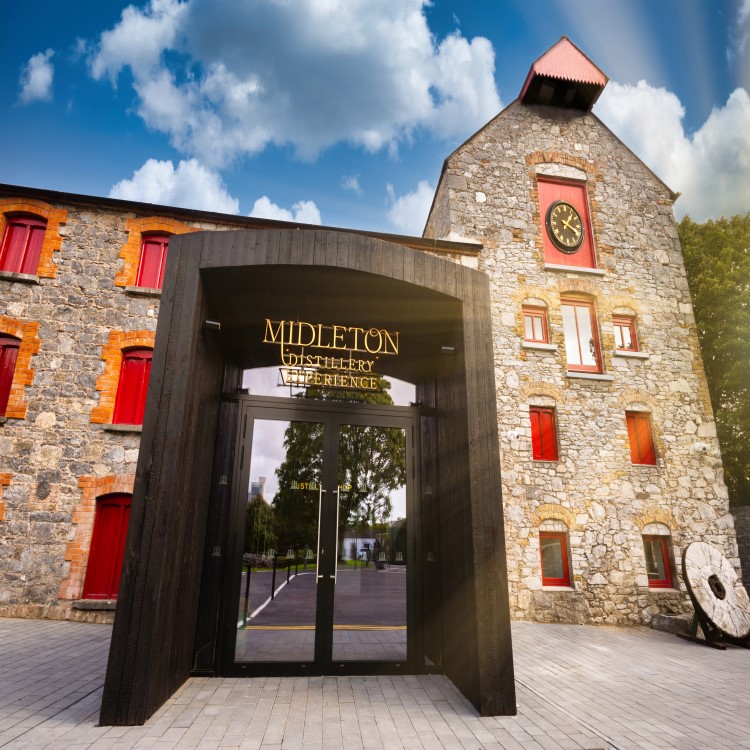
All of that comes together at our distillery in Midleton, County Cork, shaping the flavour and smooth finish that’s made Jameson known well beyond home shores. If you want to get into the full craft behind it, have a read of how Jameson Irish Whiskey is made.

Final Sip
And now that you’ve got the “what” sorted, the next question is probably “which?” The wider Jameson Irish Whiskey collection is a good place to start.