



Is Whiskey Gluten-Free? How Distillation Impacts Gluten
Yes, pure distilled whiskey is considered gluten-free. Although whiskey can be made from grains that contain gluten, including barley, wheat and rye, the gluten proteins do not pass through the distillation process into the finished spirit.
That means unflavoured distilled whiskey can be suitable for a gluten-free diet, including for people with coeliac disease. The part worth checking comes afterwards: added flavourings, other ingredients and anything mixed with the whiskey may need a closer look.
So, how does a drink made from gluten-containing grain end up gluten-free? It all comes down to what happens in the still.
Is There Gluten in Whiskey?
Pure distilled whiskey does not contain gluten from the grains used to make it. That can sound slightly contradictory when barley, wheat and rye are among the most common grains in whiskey production, but the important distinction is between the ingredients whiskey is made from—and what actually makes it through distillation (a.k.a. how whiskey is made).
Gluten is a protein found in grains including wheat, barley and rye. During whiskey production, grain is mashed and fermented before the resulting liquid is distilled. Gluten proteins are not carried over into the distilled spirit.
In other words, the grain starts the journey. The gluten does not finish it.
How Does Distillation Remove Gluten from Whiskey?
Part of how distillation separates alcohol and other volatile compounds from the fermented liquid by heating it and collecting the vapour that is produced.
Gluten proteins are not volatile, meaning they do not evaporate alongside the alcohol during distillation. They remain behind rather than travelling into the distilled spirit that will eventually become whiskey.
This is why distilled spirits made from gluten-containing grains can still be considered gluten-free.
It is also an important difference between whiskey and drinks such as standard beer, lager, ale and stout. Those drinks are not distilled, so gluten from barley or other grains can remain in the finished product unless it has specifically been produced to meet gluten-free requirements.
Is Irish Whiskey Gluten-Free?
Yes, pure distilled Irish whiskey is considered gluten-free for the same reason as other distilled whiskeys: gluten proteins from the original grains do not carry through the distillation process.
Irish whiskey can be made using grains including malted and unmalted barley, depending on the style. Those grains may contain gluten before production begins, but distillation changes the equation.
That applies across the main types of Irish whiskey, whether you are looking at pot still, malt, grain or blended whiskey. The recipe and production method may vary, but it is the distillation stage that matters when it comes to gluten.
The Coeliac Society of Ireland considers cereals used in distilled products such as spirits gluten-free because the processing removes the allergenic factor. For anyone following a gluten-free diet in Ireland, that is a much more useful starting point than assuming the presence of barley automatically means the finished whiskey contains gluten.
Is Jameson Whiskey Gluten-Free?
In short: yes, Jameson whiskey is gluten-free.
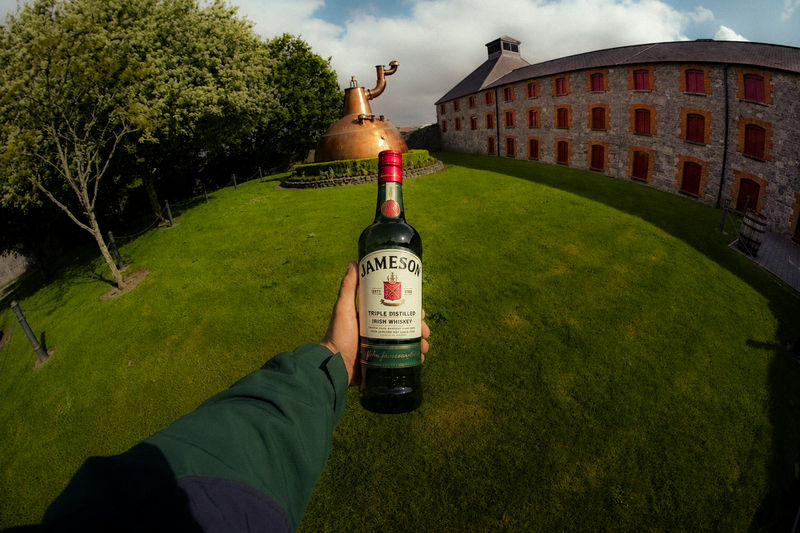
Jameson Irish Whiskey is made using barley and maize, and the whiskey is triple distilled. Although barley contains gluten before distillation, the allergenic proteins, including gluten, are removed during the distillation process.
So, while the ingredients going into Jameson include a gluten-containing grain, Jameson whiskey is gluten-free and safe to enjoy, even for coeliacs.
Jameson Original is a blended Irish whiskey combining pot still and grain whiskeys, both triple distilled before maturation. Triple distillation is a defining part of the Jameson process, although when it comes to gluten, it is distillation itself rather than the number of distillations that does the important work.
If you have specific dietary restrictions or medical concerns, we recommend speaking with your healthcare professional before drinking.
Can Coeliacs Drink Whiskey?
Pure, unflavoured distilled whiskey is considered suitable for people with coeliac disease by organisations including the Coeliac Society of Ireland.
The reason is the same one we have been circling around — and this time the science earns the repetition. Gluten proteins do not pass into the distilled spirit.
However, having coeliac disease does make it worth looking beyond the whiskey itself. Flavoured whiskey products, liqueurs, premixed drinks and cocktails can contain additional ingredients that were introduced after distillation.
If you are drinking whiskey neat or with ice, there are fewer added ingredients to consider. If it is going into a cocktail, check the other ingredients too. Syrups, flavourings, garnishes and mixers are separate products, and their gluten status cannot be assumed simply because the whiskey in the glass is gluten-free.
Anyone with coeliac disease or another dietary restriction should follow the advice of their healthcare professional and check product information where there is any uncertainty.
What Should You Check When Choosing Gluten-Free Whiskey?
For standard, unflavoured distilled whiskey, the distillation process is what makes the difference. But not every drink with “whiskey” on the front follows the same simple route from bottle to glass.
There are a few things worth checking:
Added flavourings: A flavoured whiskey may contain ingredients added after distillation. Check the product information rather than assuming the finished drink has the same status as plain whiskey.
Whiskey liqueurs: Liqueurs combine a spirit with additional flavourings, sweeteners or other ingredients, so they should be assessed as their own product.
Premixed whiskey drinks: Ready-to-drink cans and bottled serves can contain several ingredients beyond whiskey. Read the label if you need to avoid gluten.
Cocktail mixers: The whiskey may be fine, but that does not automatically cover every syrup, mixer or garnish sharing the glass.
Local product information: Ingredients and formulations can vary between products and markets. When in doubt, check the current label and manufacturer guidance.
A straight pour is the simple bit. Once other ingredients join the round, they need to answer for themselves.
Final Sip
So, is whiskey gluten-free? Pure distilled whiskey is considered gluten-free, even when it starts with grains such as barley, wheat or rye, because gluten proteins do not carry through the distillation process. For Jameson, that means the barley may start the story, but the gluten doesn’t make it into the finished whiskey.
If you’re checking what’s in your bottle more broadly, explore our Jameson nutritional information for current product information. And if you’re still curious about whiskey’s nutritional makeup, be sure to check out our guides on calories in whiskey and sugar in whiskey.