



Ginger Ale vs Ginger Beer: Which Is Better With Whiskey?
Yes, we know. It’s a question that has divided friends, families, and possibly caused a trial separation or two. Both are ginger-based, both fizzy, and both find their way into whiskey glasses around the globe, but when it comes to building the ultimate mixer for a whiskey highball, the difference between these two ginger beverages really matters.
This, folks, is a heavy-duty cocktail mixer comparison. A flavour that is so intrinsically linked to Jameson needs a diligent and comprehensive analysis.
We will break down everything you need to know. The flavours. The fizz. The textures. And most importantly, which one deserves a spot in your next whiskey cocktail pairing. You may not come away with the answers to big questions, you may not know what the meaning of life is, but one thing is sure: you will know the difference between ginger beer and ginger ale, and you’ll know how to pick the perfect ginger mixer for your next whiskey cocktail.
What Is Ginger Beer?
Ginger beer is brewed and fermented… well, like beer. Most modern versions are alcohol-free (although the alcoholic style has been making a comeback recently) and have kept that signature spicy ginger flavour that hits your palate with warmth and depth. Cloudy, bold, and slightly dry, ginger beer brings heat, sweetness, spice, and most importantly, attitude, to any cocktail it touches.
What Is Ginger Ale?
Ginger ale, by contrast, is not brewed like ale at all. A carbonated mixer made by flavouring soda water with ginger syrup or extract, it’s lighter, clearer, and distinctly sweeter. Think clean, crisp bubbles rather than fiery spice. It’s smooth, easy-drinking, and perfect if you want your whiskey to lead the conversation.
So, what is ginger beer vs ginger ale in essence? One is brewed for bite and spice; the other is designed for balance and refreshment. Those different production styles (fermentation versus flavouring) shape how each one feels and tastes in your glass.
Ginger Beer vs Ginger Ale: Key Differences
Let’s get into the nitty-gritty of this whiskey mixer comparison, because choosing between ginger beer vs ginger ale isn’t just about taste, it’s about texture, sweetness, and balance.

1. Ginger Intensity
Ginger Beer: Big, bold, and unapologetically spicy. The kick of ginger beer brings heat and depth to a whiskey highball.
Ginger Ale: Milder and more delicate, letting the whiskey’s smooth character shine through.
2. Sweetness
Ginger Beer: Drier, with less sugar and more bite — a great way to balance sweeter whiskeys.
Ginger Ale: Sweeter and more rounded, which softens whiskey’s edges for a friendlier, gentler sip.
3. Carbonation
Ginger Beer: Usually has a creamier, softer fizz that creates body.
Ginger Ale: Delivers that lively sparkle, great for a refreshing, lifted highball.
4. Appearance & Mouthfeel
Ginger Beer: Cloudy and full-bodied, lending a rustic texture.
Ginger Ale: Clear and crisp, for a polished presentation and smooth mouthfeel.
5. Versatility
Ginger Beer: Ideal for bold spirits and spicy cocktails.
Ginger Ale: A flexible all-rounder that works in nearly any serve.
Mini conclusion:
What a ginger drink difference is… can be subtle and make or break a whiskey cocktail pairing. A little more spice or a little more sweetness can completely shift how your whiskey and your overall drink taste. So, confusing ginger ale for ginger beer can have dire consequences… ok, not dire consequences, but somewhat unsatisfactory results, and perhaps a ruined whiskey! The horror!
What Alcohol Goes With Ginger Ale or Ginger Beer?
If you’re wondering what alcohol goes with ginger ale, the short answer is: quite a few. But the details matter. Here’s your quick drink mixer guide for pairing spirits with these
two ginger legends.
Ginger Ale pairs beautifully with:
• Whiskey (especially smooth Irish styles like Jameson Original)
• Bourbon
• Vodka
• Light rum
• Gin
Ginger Beer complements:
• Whiskey (try spicier expressions like Jameson Black Barrel)
• Dark or spiced rum
• Tequila or mezcal for a smoky twist
Here’s the secret: match the ginger mixer taste profile to your spirit’s character. Use ginger ale for soft and subtle whiskeys; reach for ginger beer when you want a fiery contrast. That’s the essence of mixology insights balance and intent in every pour.
Ginger Ale vs Beer: Which One Works Better With Whiskey?
So, when it comes to ginger ale vs beer, which makes the better whiskey partner? The answer depends on mood, moment, and flavour goals. However, we have made a little table to help you out on which to add to what and when. We’ll leave the why up to you.
| Mood / Occasion | Best Mixer | Why |
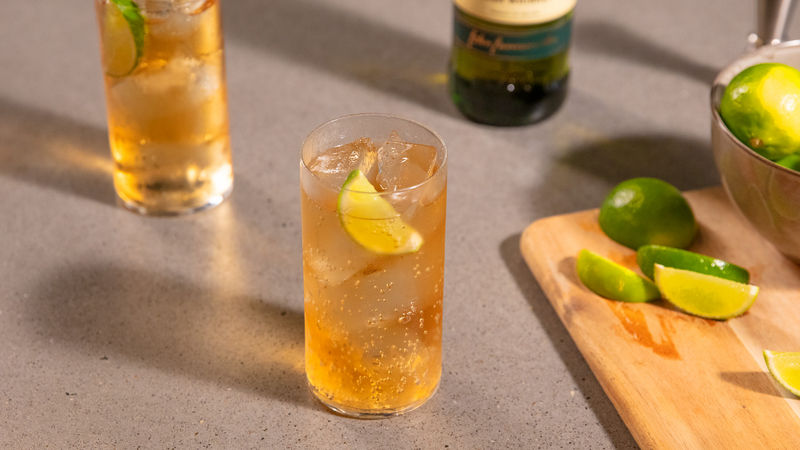
| Classic Jameson, Ginger & Lime | Ginger Ale | Smooth, balanced, and endlessly drinkable |
| Rich or spiced whiskey (e.g. Jameson Black Barrel) | Ginger Beer | It’s spicy ginger flavour complements boldness |
| Sweeter whiskeys (like Jameson Triple Triple) | Ginger Beer | Cuts through sweetness and adds edge |
| Lighter or floral whiskey (like Jameson Crested) | Ginger Ale | Enhances subtleties without overpowering |
| Creative cocktail riffs | Ginger Beer | Adds punch and personality |
| Easy, refreshing daytime drink
|
Ginger Ale | Keeps things crisp and light |
Verdict: For balance and smooth sipping, go with ginger ale. For bite and boldness, ginger beer wins. There’s no wrong choice, just different highball mixer options for different moods.
Tips to Mix, Experiment & Adjust
The best way to master the ginger ale vs ginger beer debate? Mix, taste, and tweak.
• Start with a 1:3 whiskey-to-mixer ratio, perfect for testing side by side
• Try blending both: half ginger ale, half ginger beer for a balanced combo.
• Add citurs (lime or lemon) to brighten sweetness or soften spice.
• If it’s too sweet, top with soda water to lighten the texture.
• Keep your whiskey and mixers chilled. Cold carbonation is key.
Every tweak teaches you something about your personal ginger mixer taste profile. These are the little mixology insights that separate casual drinkers from true highball artists.
Mix It With Jameson – The Ideal Whiskey for Both
When it comes to whiskey cocktail pairing, Jameson Irish Whiskey is the perfect match for both sides of the ginger beer vs ginger ale debate. Its triple-distilled smoothness and balanced notes of vanilla and spice make it shine with either mixer.
With ginger ale, Jameson feels light, crisp, and incredibly approachable. With ginger beer, it takes on bold new layers of heat and complexity.
So whether you’re mixing up a Jameson, Ginger & Lime or something creative, you can’t go wrong. Whichever mixer you choose, pair it with Jameson and raise your glass.
Explore more refreshing whiskey cocktails here.

Ginger Ale vs Ginger Beer FAQs
Final Sip:
The ginger ale vs ginger beer debate isn’t about picking a winner; it’s about knowing when to reach for each. Once you understand their personalities, every highball becomes a chance to show off your mixology insights and create your own perfectly balanced whiskey cocktail pairing.