


What is ABV? How to Measure Alcohol by Volume
Alcohol labelling can be a funny mishmash of symbols, numbers, shorthand, and in some parts of the world, warning labels. While we don’t have time to get into the specifics of individual alcohol labels country by country, we can get into one abbreviation that is nearly ubiquitous across all alcoholic drinks globally. So, what is ABV?
ABV meaning: Alcohol By Volume is simply a way of measuring how much pure alcohol is in a drink, and once you understand it, reading labels and drinks menus suddenly feels a lot less mysterious.
Whether you’re comparing beers, cocktails, or whiskey, understanding what is ABV in alcohol can help you make more informed choices about flavour, strength, and serving style. And you don’t need a lab coat to figure it out.
What Does ABV Mean in Alcohol?
So, what does ABV mean exactly?
ABV stands for Alcohol by Volume. It refers to the percentage of liquid in a drink that is pure alcohol. In a triple distilled whiskey like, oh, let’s say an exceptionally smooth bottle of Jameson Irish Whiskey, that percentage sits at 40%.
That means 40% of the liquid inside the bottle is ethanol alcohol — the same goes for many classic premium spirits such as vodka, gin, and brandy.
Beers can be much lower, with beer ABV levels typically hovering between 3–6%. Wines sit somewhere in the middle at 10–15% ABV. In simple terms:
- A higher ABV usually means a stronger drink
- A lower ABV means a weaker drink
- ABV helps consumers compare drinks across categories
If you’ve ever searched what’s ABV or what is ABV in alcohol, the answer is refreshingly straightforward: it’s the standard way to measure alcohol percentage in a drink.
You may also hear ABV discussed alongside standard drink measurement, particularly in responsible drinking guidance. These measurements help people better understand how much alcohol they’re consuming and choose drinks that suit the occasion.
How Does ABV Work?
To understand ABV, it helps to look at how alcohol is actually created.
Alcohol begins during fermentation, where yeast consumes sugars and produces alcohol naturally. Drinks like beer and wine rely mainly on fermentation, which is why they usually have lower ABV levels.
Spirits like whiskey go one step further through distillation. Distillation concentrates the alcohol and flavour compounds, resulting in a higher-strength spirit with greater depth and character. This process is central to how Jameson Irish Whiskey is made. Jameson is triple distilled, which creates its signature smoothness while maintaining rich flavour — and in turn delivers a higher spirits alcohol content per serving than wine or beer.
That’s why a whiskey cocktail might taste very different from a pint of lager or a glass of pinot noir. It also explains why ordering “just a tiny splash” of whiskey from a generous friend can sometimes become a maths problem.
How Do You Measure ABV?
You actually do need your lab coat for this one.
Hydrometer Testing
One common method uses a hydrometer, which measures the density of liquid before and after fermentation. Since sugar converts into alcohol during fermentation, producers can calculate the final ABV based on density changes.
Distillation Analysis
For spirits alcohol content, distillation testing is often used to measure alcohol concentration more precisely. This helps ensure consistency in flavour, quality, and legal labelling requirements.
Bottle Labels
If you left your chemistry degree at home, the easiest place to find ABV is right on the label. Nearly all alcoholic drinks display their alcohol by volume clearly, making it easy to compare products at a glance.
Proof vs ABV
You may also come across the phrase proof vs ABV, especially when looking at American spirits. In the US system, proof is simply double the ABV. For example:
- 40% ABV = 80 proof
- 50% ABV = 100 proof
So if you spot a bottle labelled “100 proof,” don’t panic — it’s not rocket fuel (although why the US uses proof does have to do with gunpowder, but that’s a whole other story). It just means the spirit contains 50% alcohol by volume.
Why ABV Measurement Matters for Flavour and Strength
ABV isn’t just about strength — it also affects flavour and texture. High ABV drinks can carry more flavour compounds from maturation, including notes of spice, vanilla, oak, and fruit, creating a richer, more intense tasting experience. Low alcohol beverages often lean towards a lighter, softer taste.
The versatility of a whiskey like Jameson, sitting at 40% ABV, is that it’s smooth enough to sip neat or over ice, but so full of flavour that whiskey cocktails just don’t taste quite the same without it.
What Is Considered Low ABV?
So, what does low ABV mean?
Generally speaking, what is low ABV depends on the drink category, but beverages under 12% ABV are often considered low alcohol beverages. Some common examples include:
- Beer
- Wine spritzers
- Hard seltzers
- Lower-strength canned cocktails
Low ABV drinks are designed to deliver flavour and refreshment with a lighter alcohol content, making them a popular option for longer social occasions or more relaxed drinking experiences.
However, there is an important caveat. When it comes to Alcohol by Volume, there are really two numbers to consider: the ABV percentage, and the amount of alcohol you are drinking in ml (or fl oz). This is where units of alcohol come in. A single measure of 40% ABV spirit in the UK is 25ml — 1 unit. A standard glass of wine (175ml) can be 2–2.5 units, and a pint of beer can be 2–3 units. What is considered “low ABV” can be misleading when put into real-world context.
Fortunately, we have both real-world low ABV cocktails and regular session cocktails to choose from, so enjoying Jameson caters to all occasions and preferences (pretty nifty if you ask us).
What Is a Low ABV Cocktail?
A low ABV cocktail is typically made using:
- Smaller spirit measures
- Longer mixers like soda or tonic
- Lower-strength base ingredients such as vermouth or aperitifs
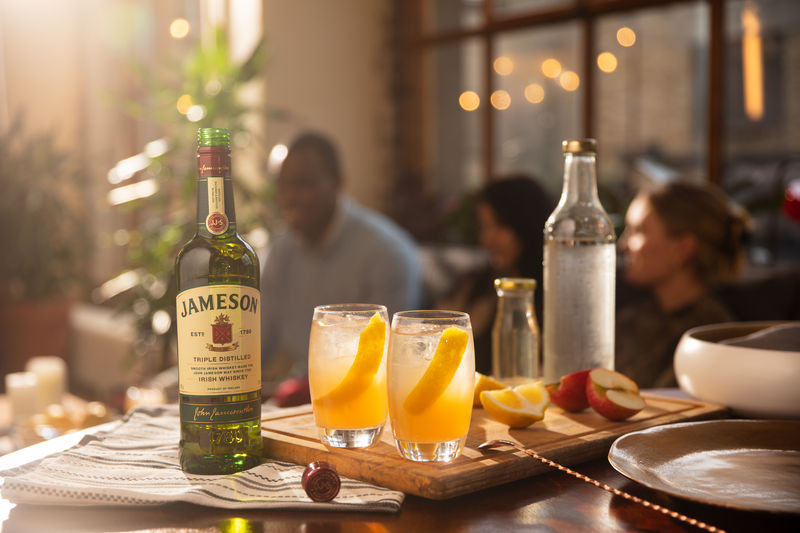
The goal is balance rather than intensity. These cocktails often feel lighter, more refreshing, and easier to sip slowly — all the enjoyment, with a little less keeping track. Explore the low ABV drink cocktail collection for inspiration.
Best ABV Drinks to Try
If you’re looking for flavourful drinks with a balanced approach to ABV, these cocktails are well worth trying:
Each offers a lighter, refreshing take on whiskey cocktails while still delivering plenty of character and flavour.

Why ABV Matters When Choosing a Drink
So, what does ABV stand for? It’s much more than an abbreviation and a number. It’s a signal of flavour, a metric for mixing, an indication of category, and a guide to allow you to pace yourself and truly enjoy your drinks.
Whether you prefer high ABV drinks with bold character or lighter low alcohol beverages, knowing how ABV works helps you choose drinks that suit your taste and the occasion.
While numbers matter, flavour always comes first. The best drinks are balanced, enjoyable, and meant to be savoured responsibly.
Ready to explore more whiskey serves? Discover more Jameson cocktail recipes and find your next favourite serve.